

Scalp Acupuncture in Boulder: How Neuroacupuncture Supports Brain and Nervous System Recovery
Scalp acupuncture — also called neuroacupuncture — is a specialized form of acupuncture that maps regions of the scalp to functional areas of the brain, rather than following traditional meridian pathways. At Jade Mountain Health in Boulder, Andrew Maloney uses this approach to support patients managing migraines, post-stroke recovery, movement disorders, and other complex neurological conditions. Here's how it works and who it may be right for.

Acupuncture for Anxiety in Boulder: How Meridian Therapy Calms the Nervous System
Anxiety is a common challenge in Boulder’s high-performance environment. Learn how acupuncture helps shift the body from "fight or flight" into a state of deep relaxation. Discover what to expect during your first session at Jade Mountain Health and how meridian therapy supports a balanced, resilient nervous system.
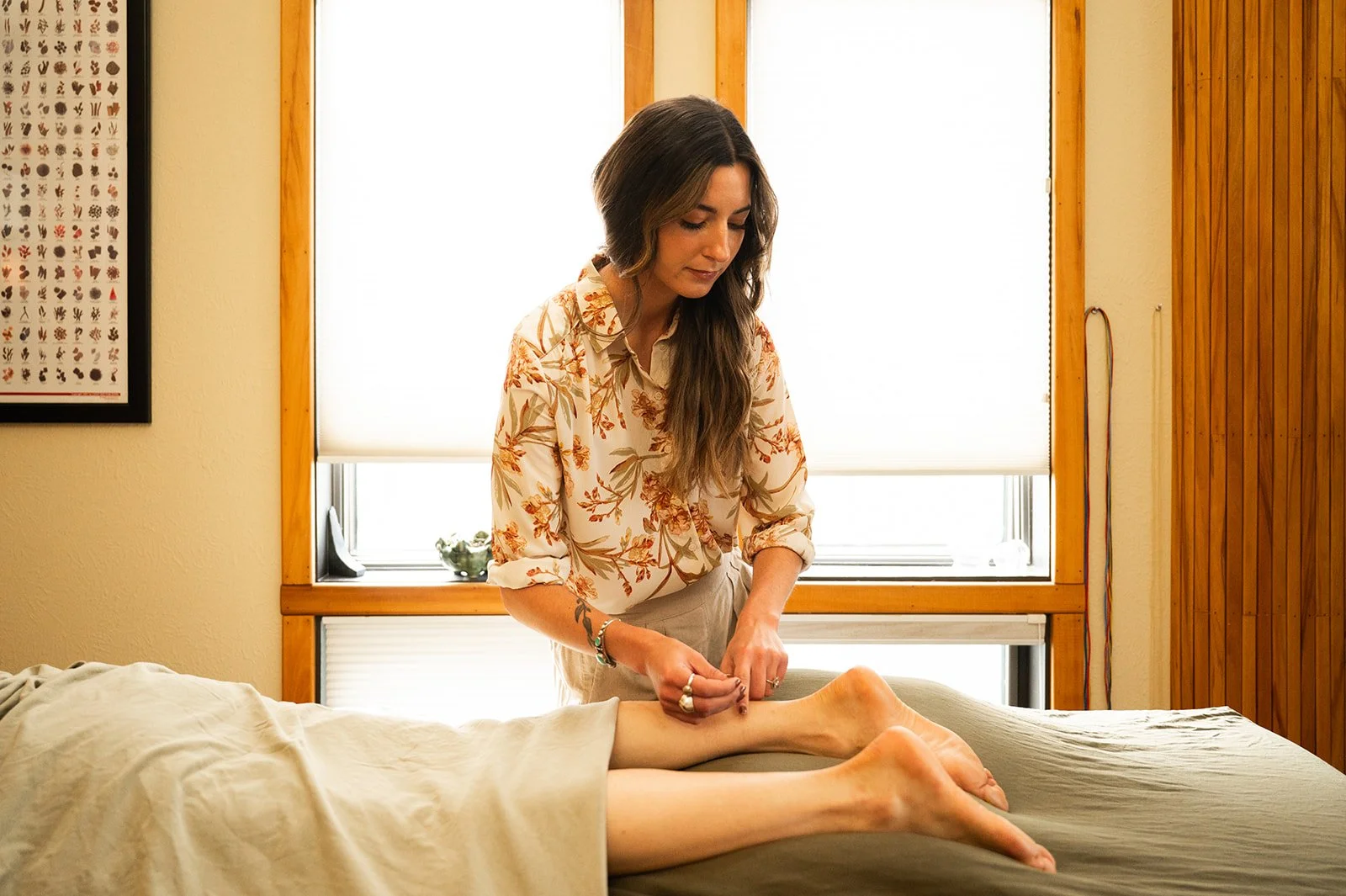
Acupuncture for Hikers and Trail Runners in Boulder: Faster Recovery, Less Pain
Acupuncture is a powerful recovery tool for Boulder’s hikers and trail runners, helping reduce pain, improve circulation, and support faster healing from overuse injuries. Learn how it keeps you moving on the trails.
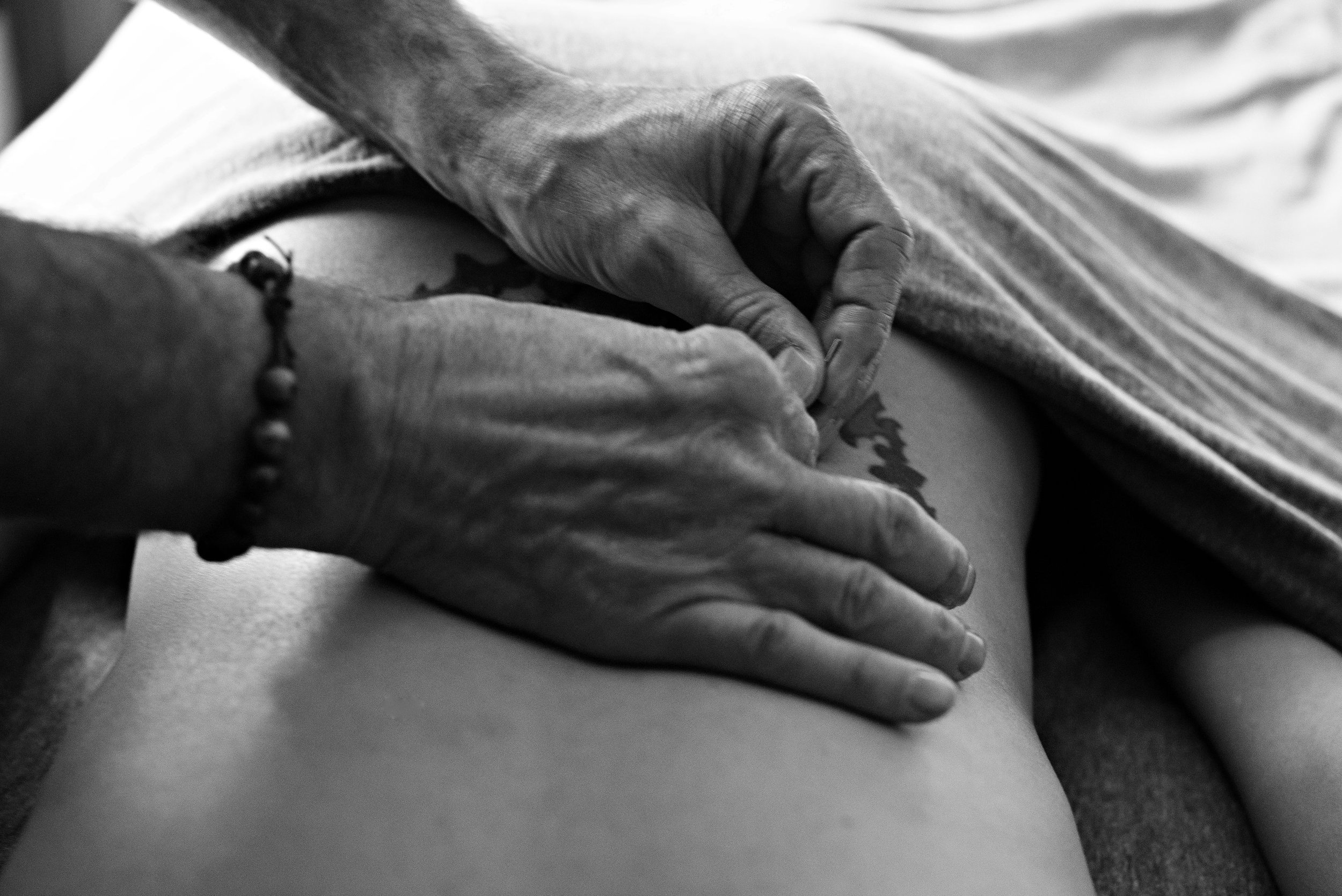
Acupuncture for Back Pain in Boulder: What to Expect and Why It Works
Acupuncture offers a natural, evidence-informed approach to relieving back pain by reducing inflammation, improving circulation, and calming the nervous system. Learn what to expect from treatment in Boulder and how it supports lasting recovery.
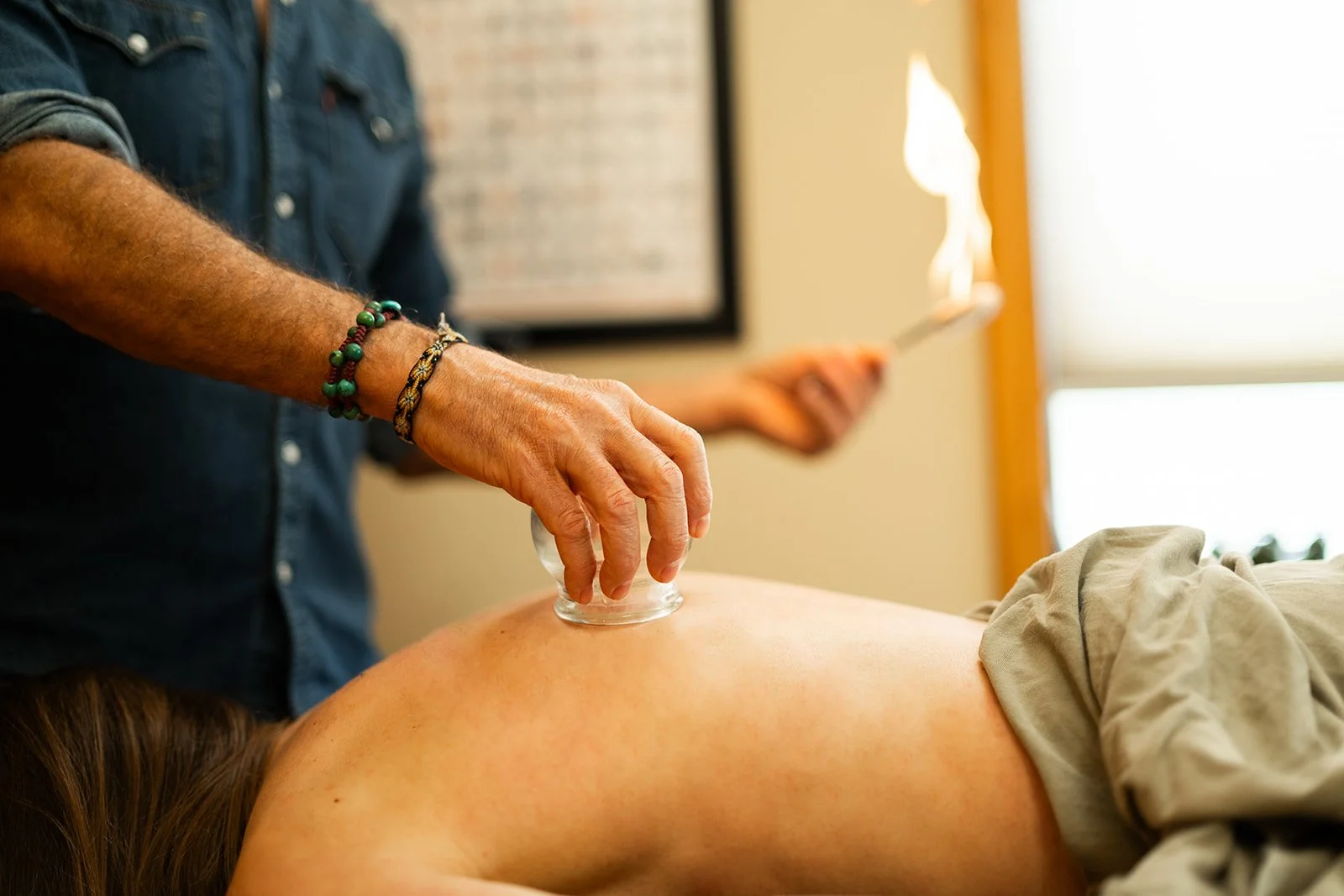
What's the Difference Between Fire Cupping and Other Cupping Methods?
Not all cupping is created equal. From the ancient tradition of fire cupping to modern silicone and pump methods, the technique your practitioner chooses changes the results you get. Explore the pros and cons of each style and learn why glass fire cupping remains the preferred tool for deep therapeutic relief at Jade Mountain Health.
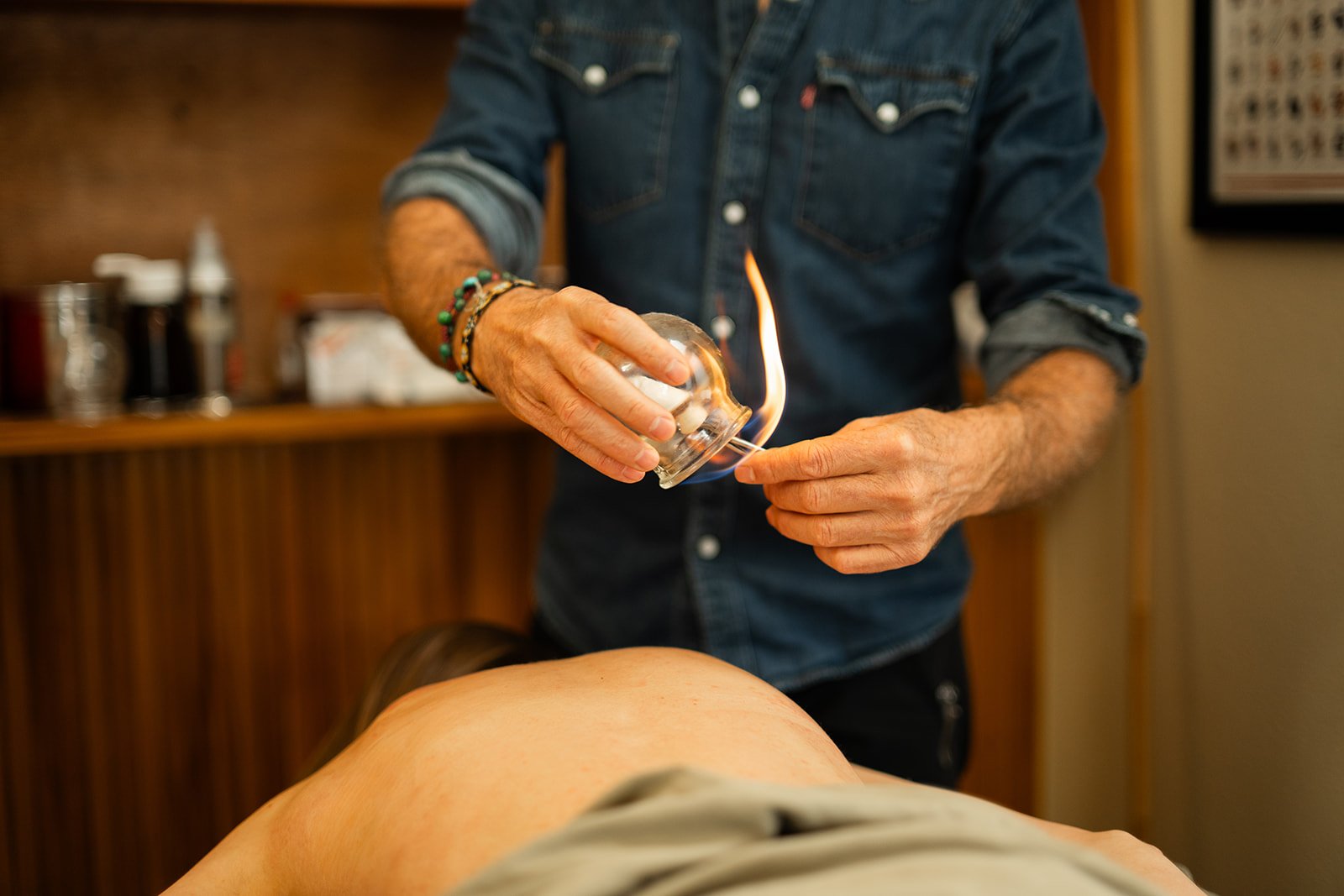
Does Cupping Hurt? What First-Timers Need to Know
You’ve seen the marks, but do they actually hurt? If you’ve been holding back from trying cupping because of the "fear factor," this guide is for you. From the "firm hug" sensation to what happens during your first visit at Jade Mountain Health, here is everything a beginner needs to know before getting on the table.
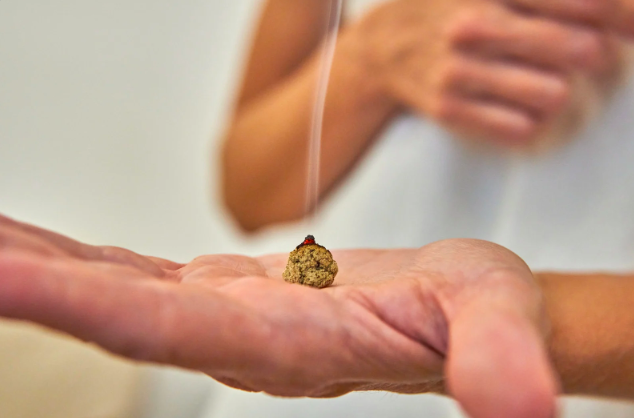
At-Home Moxa Tips (And When to See a Practitioner)
Want to extend the benefits of your treatment between clinic visits? At-home moxibustion is a powerful way to support your healing, but safety is paramount. Discover our step-by-step guide to DIY moxa sticks, the best points for home use, and the "never-skip" safety rules every patient should know.
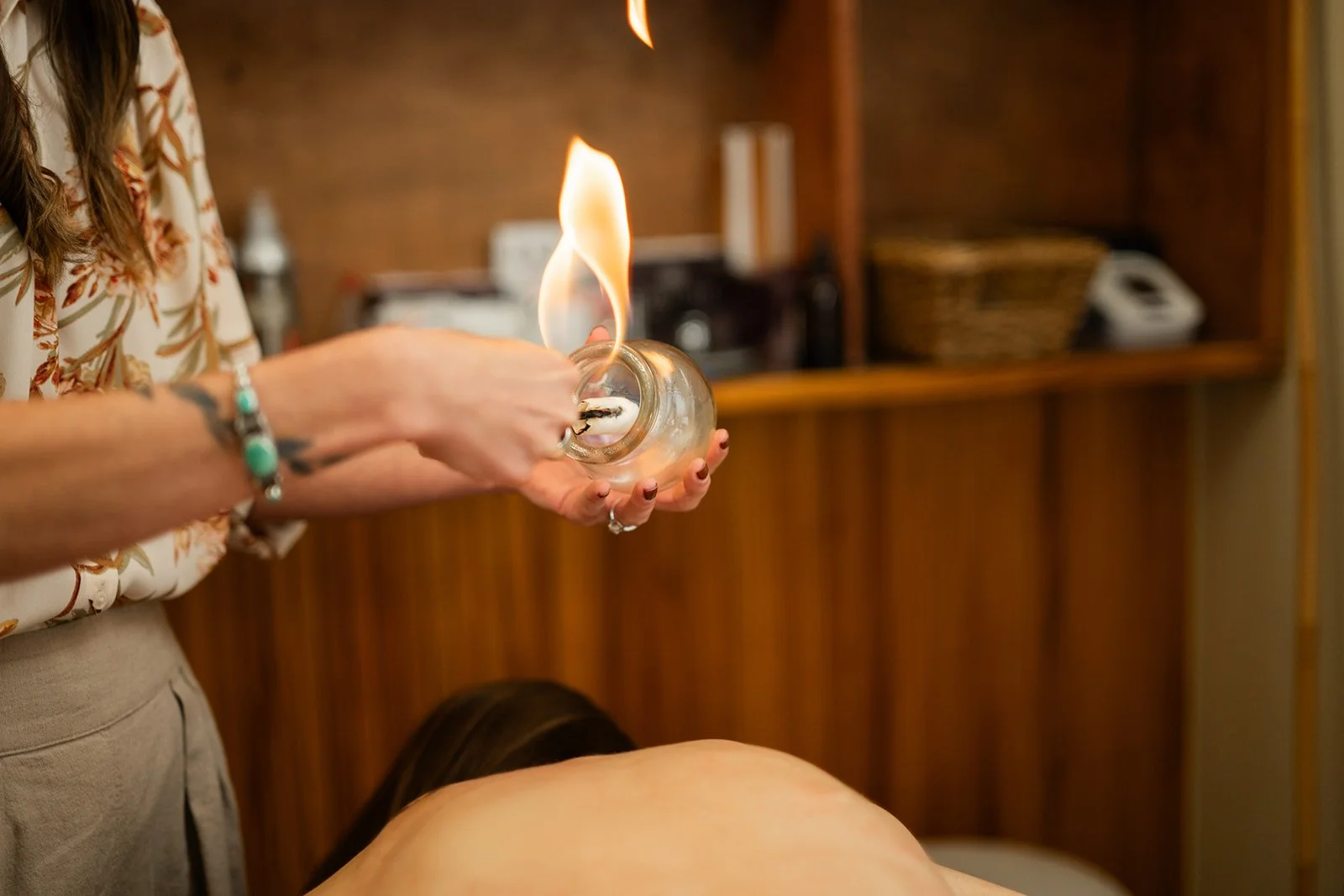
How Often Should You Get Cupping Therapy?
Is cupping a weekly necessity or a monthly tune-up? The answer depends on your body’s unique goals. Whether you’re an athlete training for a Boulder summer or seeking relief from chronic tension, learn how to build a cupping schedule that moves you from acute treatment to lasting maintenance.

Safety First: Is Moxibustion Safe? What You Should Know
Is moxibustion really safe? From smoke sensitivity to heat management, we address your most common concerns. Learn why this ancient therapy has an excellent safety record and how our trained practitioners at Jade Mountain Health keep your treatments gentle, low-risk, and effective.
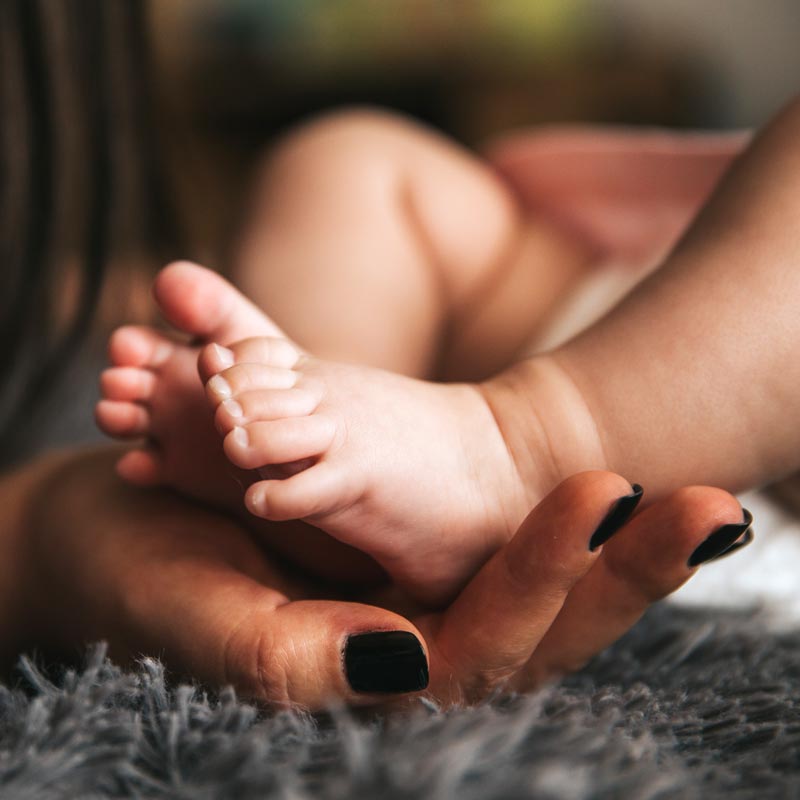
Prenatal & Postpartum Support: Gentle Moxibustion in Pregnancy Care
Pregnancy is a beautiful transformation, but it's also physically demanding. Whether you are looking for a natural way to encourage a breech baby to turn, seeking relief from prenatal fatigue, or needing support for postpartum recovery, gentle moxibustion offers a time-tested, research-backed path to wellness for both you and your baby.