
Acupuncture for Anxiety in Boulder: How Meridian Therapy Calms the Nervous System
Does Acupuncture Help With Anxiety? What Boulder Patients Experience at Jade Mountain Health
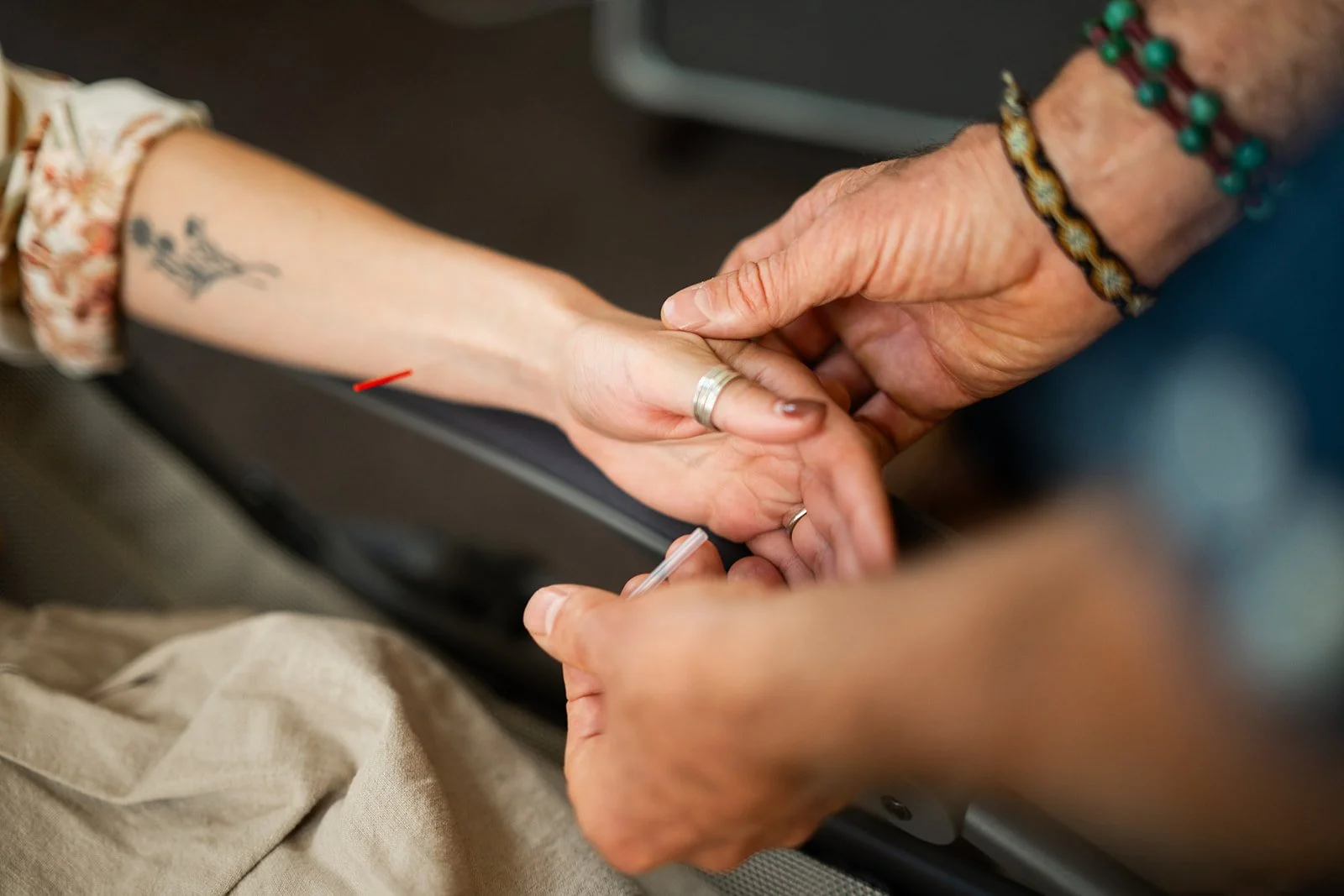
Anxiety is one of the most common reasons people seek care in Boulder — and one of the conditions many patients turn to acupuncture for, often with consistent results. At Jade Mountain Health, we use a meridian-based approach rooted in Traditional Chinese Medicine to help regulate the nervous system, support healthy stress hormone patterns, and restore a sense of calm. Many patients describe this as a different kind of relief—one that can complement medication or talk therapy rather than replace it.
This post answers the most common questions we hear from Boulder patients considering acupuncture for anxiety. Located in the Wonderland Hills neighborhood just off Broadway, our clinic provides a quiet, grounded environment for residents of North Boulder and the surrounding Front Range. Whether you are navigating a demanding career, dealing with chronic stress, or balancing an active lifestyle, Andrew Maloney and Nicole Bzdel offer a clinical setting just a ten-minute drive from Pearl Street where you can begin to reset and recover.
How Does Acupuncture for Anxiety Work? Understanding the Meridian Model
Acupuncture for anxiety is thought to work by influencing the autonomic nervous system, helping shift the body from a sympathetic “fight or flight” state into a more regulated parasympathetic state. This shift supports relaxation, emotional regulation, and a more balanced physiological response to stress.
From a biomedical perspective, research suggests acupuncture may influence the release of neurotransmitters such as serotonin and gamma-aminobutyric acid (GABA), both of which play important roles in mood regulation. It may also help modulate how the brain processes stress and anxiety signals, allowing the body to move out of a state of chronic hyper-arousal. Many patients notice a gradual decrease in baseline tension and a greater ability to recover after stressful events.
In Traditional Chinese Medicine (TCM), anxiety is often understood as a disturbance of the Heart and Liver systems. When Qi becomes constrained or when the Shen (spirit) is not adequately nourished, symptoms such as restlessness, racing thoughts, or palpitations can arise. Acupuncture works by restoring smooth flow through the meridians and supporting the body’s internal balance. Points along the Heart meridian may be used to calm the Shen, while points along the Liver meridian help regulate the movement of Qi affected by emotional stress.
Modern research also suggests acupuncture may influence the hypothalamic-pituitary-adrenal (HPA) axis, which governs the body’s stress response. Over time, consistent treatment may help regulate this system, supporting a more adaptive response to stress. This combination of classical TCM diagnostics and modern physiological understanding is one reason acupuncture resonates with many health-conscious individuals in Boulder, Colorado.
How Many Acupuncture Sessions Does It Take to Feel Relief From Anxiety?
Many patients experience a noticeable sense of relaxation during their first acupuncture session, but longer-term improvement in anxiety typically develops over a series of consistent treatments. For many people, this involves a course of six to ten sessions, depending on the severity and duration of symptoms.
The initial phase of care focuses on calming the nervous system and establishing a more stable baseline. Because the effects of acupuncture are cumulative, each session builds on the previous one. Over time, patients often find that periods of calm last longer and that their overall stress response becomes more manageable.
For situational anxiety—such as stress related to work, training, or life transitions—improvement may occur more quickly. In these cases, a shorter series of treatments can often help reset the system. For more chronic anxiety patterns, a longer and more structured approach is typically recommended. Research suggests that consistent care over time may support gradual changes in how the body responds to stress, making it more adaptable to future triggers.
Once symptoms have stabilized, many patients at Jade Mountain Health transition to a maintenance schedule. This may involve treatments every three to four weeks or as needed during periods of increased stress. Andrew Maloney works closely with each patient to determine a treatment frequency that supports both short-term relief and long-term stability.
Can Acupuncture Help With the Physical Symptoms of Anxiety Like Insomnia or Digestive Issues?
Acupuncture can be very effective at addressing the physical symptoms that often accompany anxiety, such as sleep disturbances, digestive discomfort, and muscle tension. Rather than treating these issues in isolation, acupuncture works by addressing the underlying patterns that connect mental and physical health.
In Traditional Chinese Medicine, emotional and physical symptoms are closely linked. When anxiety disrupts the flow of Qi, it can affect multiple systems in the body. By treating the root pattern, we often see a secondary improvement in related symptoms. For example, patients frequently report that as their anxiety becomes more manageable, their sleep quality also improves. This may be related to more balanced nervous system activity and more stable evening cortisol patterns.
Digestive symptoms such as bloating or a “nervous stomach” can also improve with treatment. Acupuncture may influence the vagus nerve and gut-brain signaling, helping regulate communication between the digestive system and the central nervous system. This can be especially helpful for patients who notice that stress directly impacts their digestion.
At Jade Mountain Health, we take a personalized approach to care. If anxiety is accompanied by physical tension—whether from daily stress or an active lifestyle in Boulder—we may incorporate therapies such as cupping or targeted acupuncture points to relax the musculature. If fatigue is also present, moxibustion may be used to support overall energy levels. This approach allows us to treat your specific experience of anxiety, rather than applying a one-size-fits-all solution.
Prioritize Your Nervous System: Start Your Path to Calm in North Boulder
If you're ready to explore what acupuncture can do for anxiety, we’d love to hear from you. Finding a grounded, evidence-informed approach to managing stress is an important part of maintaining balance in Boulder’s active and demanding lifestyle.
Jade Mountain Health is located on Poplar Ave in North Boulder, just off Broadway and a short drive from Pearl Street. We offer a calm, clinically focused environment where you can begin to reset your nervous system and feel more at ease in your day-to-day life. You can reach us at (303) 859-3125 or schedule online.
Acupuncture for Anxiety: Frequently Asked Questions
Does acupuncture help with anxiety?
Yes. Acupuncture works by influencing the autonomic nervous system to shift the body from a "fight or flight" (sympathetic) state to a "rest and digest" (parasympathetic) state. Research suggests it helps regulate neurotransmitters like serotonin and GABA, which are essential for mood stability and emotional regulation.
How many sessions are needed to see results for anxiety?
While many patients feel a sense of relaxation during their first visit, long-term relief typically develops over a course of 6 to 10 sessions. Because the effects are cumulative, consistent weekly or bi-weekly treatments are recommended initially to stabilize the nervous system.
Can acupuncture treat physical symptoms of stress like insomnia or bloating?
Absolutely. Traditional Chinese Medicine views emotional and physical health as interconnected. By addressing the underlying nervous system imbalance, patients often see secondary improvements in sleep quality, digestive regularity (the "nervous stomach"), and chronic muscle tension.
Is acupuncture a replacement for anxiety medication or therapy?
Acupuncture is an excellent complementary therapy. It works well alongside Western medical treatments and talk therapy by providing a physiological "reset" for the body. We recommend discussing your treatment plan with your primary care provider or therapist as you integrate acupuncture into your routine.
Where is Jade Mountain Health located?
Our clinic is located in the Wonderland Hills neighborhood of North Boulder, just off Broadway on Poplar Ave. We are a ten-minute drive from Pearl Street and serve patients from across the Front Range looking for a quiet, clinical environment.