
Acupuncture for PTSD in Boulder: A Compassionate, Evidence-Informed Approach to Trauma Recovery
PTSD and trauma responses are increasingly recognized as conditions where the body holds the experience as much as the mind does — and where treatments that work directly with the nervous system can reach places that talk therapy alone sometimes cannot. At Jade Mountain Health in Boulder, Andrew Maloney uses scalp acupuncture and autonomic regulation techniques drawn from his neuroacupuncture training to help patients with PTSD calm their threat response, improve sleep, and gradually build a greater sense of safety in their bodies. This work is always done in coordination with mental health providers, never as a replacement for trauma-informed therapy.
For many people living and training in Boulder's Front Range community, trauma recovery requires an approach that respects both physical biology and neurological wiring. At our clinic in the Wonderland Hills neighborhood of North Boulder, we address complex autonomic responses by combining classical Traditional Chinese Medicine with modern neurological understanding — in a quiet, unhurried environment designed to support deep nervous system work.
How Does Acupuncture — and Scalp Acupuncture in Particular — Help Regulate the Traumatized Nervous System?
Acupuncture helps regulate the traumatized nervous system by down-regulating a hyperactive sympathetic threat response and supporting a shift toward parasympathetic safety. Scalp acupuncture specifically works by stimulating targeted zones on the scalp that correspond to cortical areas governing emotional processing, autonomic control, and somatosensory memory.
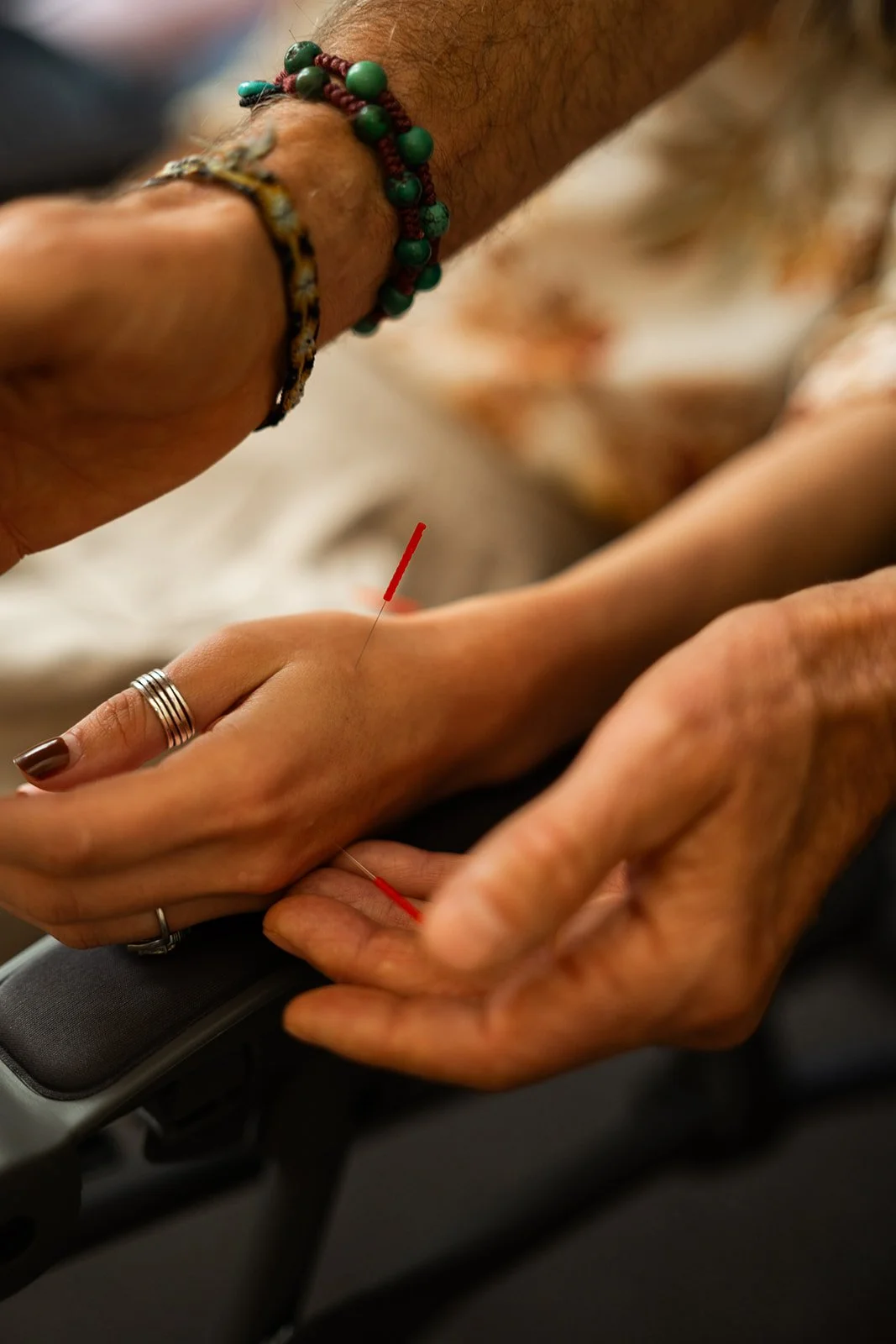
When a person experiences trauma or lives with PTSD, the brain's survival architecture can become fixed in a state of chronic hypervigilance. Traditional Chinese Medicine understands this as a disruption of the Shen, or spirit, which resides in the Heart, alongside a depletion of the Kidney system, which governs fear and foundational resilience. When the Heart and Kidneys lose their classical communication, the body loses its capacity to accurately differentiate past danger from present safety.
By introducing thin, sterile needles into precise zones on the scalp, we can influence cortical blood flow and modulate neural activity. Clinical evidence suggests that neuroacupuncture techniques may support neural plasticity and help down-regulate the amygdala's alarm signaling. This can contribute to lower baseline cortisol, reduced frequency of intrusive symptoms, and relief from the somatic muscle guarding common among trauma survivors.
At Jade Mountain Health, Andrew Maloney uses refined Taiwanese and Japanese needling techniques that prioritize physical gentleness — particularly important in trauma care, where patient comfort and pacing directly affect therapeutic outcomes. The goal is to provide a reliable somatic anchor that supports the brain's gradual process of rebuilding baseline safety.
How Does Jade Mountain Health Integrate Acupuncture for PTSD With Other Trauma-Informed Care?
Jade Mountain Health integrates acupuncture for PTSD with other trauma-informed care by pacing treatments to match the patient's psychological capacity and maintaining active collaboration with licensed mental health professionals. Our clinical team operates with the understanding that somatic therapies are most effective when they run parallel to — and actively support — trauma-informed talk therapy, EMDR, or somatic experiencing.
A genuinely integrative approach to trauma recovery requires that physical treatments never push a patient's system into vulnerability before it is ready. We structure every session around predictability, informed consent, and physical autonomy. For patients who find traditional body acupuncture points activating, we can adjust the protocol to focus on scalp zones or subtle auricular points that achieve similar regulatory effects with a lighter footprint.
Clinical experience supports the view that resolving trauma requires addressing mind and body simultaneously. While a therapist helps process cognitive and emotional material, acupuncture works to discharge residual stress physiology held in the musculoskeletal system. When a therapy session surfaces difficult material, a subsequent acupuncture session can help settle the resulting physiological response — preventing the post-therapy exhaustion or anxiety spirals that some patients experience.
We regularly coordinate with Boulder-area therapists and psychiatrists to ensure our somatic protocols align with your current therapeutic goals, providing a unified approach that honors your individual pacing and recovery timeline.
How Do Chinese Herbal Medicine and Moxibustion Support the Body During Trauma Recovery?
Chinese herbal medicine and moxibustion support trauma recovery by restoring systemic reserves, calming digestive disturbances, and addressing the chronic physical exhaustion that often accompanies prolonged stress. These modalities are most effective when integrated alongside acupuncture, particularly in cases where depletion is significant.
Prolonged trauma places an immense metabolic demand on the body, frequently depleting the Spleen and Liver organ systems. In classical theory, a weakened Spleen fails to transform nutrients into adequate Qi and Blood — leading to fatigue and systemic weakness — while Liver Qi stagnation can manifest as digestive tension, persistent irritability, or a constricted chest. When physical reserves are this depleted, cognitive processing alone becomes difficult to sustain.
To rebuild these internal resources, we prescribe classical Chinese herbal formulas tailored to your specific presentation, whether that involves post-traumatic insomnia, stress-related digestive issues, or chronic fatigue. These botanical formulas work to nourish the blood, support the smooth flow of Qi through the Liver, and calm the nervous system without the flattening side effects often associated with sedative medications.
For patients with deep emotional depletion, cold-type holding patterns, or a chronic sense of disconnection from the body, we integrate moxibustion — the gentle burning of dried mugwort herb near specific acupuncture points on the back or abdomen. This warming therapy penetrates into the classical channels, disperses stagnation, and provides physical grounding that can meaningfully support ongoing trauma work.
If you are ready to explore how acupuncture and neuroacupuncture can support your trauma recovery, we would be glad to hear from you. Navigating PTSD is a deeply personal process, and you do not have to rely on cognitive strategies alone to find steadiness in your body. At Jade Mountain Health, we offer an unhurried, evidence-informed space for Boulder, Colorado residents working through trauma — at whatever pace is right for them. Reach us at (303) 859-3125 or schedule an initial consultation at jademtnhealth.com.