
Boulder Climbers: How Acupuncture and Dry Needling Help You Heal and Get Back on the Wall
Rock climbing injuries have their own particular character — the precise, high-load demands on finger tendons, the repetitive strain on rotator cuff and elbow structures, and the grip-intensive nature of the sport create injury patterns that don't always respond well to standard rest-and-ice protocols. At Jade Mountain Health in Boulder, we work with climbers from the local gym community and the broader Front Range climbing scene to address acute injuries, chronic tendinopathy, and the kind of deep myofascial tension that builds up over a long climbing season. Located in the Wonderland Hills neighborhood just off Broadway, our clinic is a quick ten-minute drive from Pearl Street, making it convenient to drop in for a session after training or on your way back from a day in the canyons.
What Are the Most Common Climbing Injuries That Respond to Acupuncture?
Acupuncture is well-supported for treating soft tissue strains, chronic overuse issues, and tendinopathies that frequently plague climbers, particularly in the fingers, elbows, and shoulders. Clinical evidence indicates that acupuncture helps reduce local inflammation, modulate pain signaling, and stimulate the body's natural tissue repair mechanisms.
The upper extremities bear the brunt of the load in climbing, leading to distinct mechanical issues. In our practice, we frequently treat several conditions that respond well to targeted needling:
Finger pulley strains and tenosynovitis, particularly affecting the A2 and A4 pulleys.
Medial epicondylitis, commonly known as golfer's elbow or climber's elbow, caused by repetitive heavy gripping.
Lateral epicondylitis, or tennis elbow, resulting from overuse of the wrist extensors while crimping.
Rotator cuff tendinitis and shoulder impingement syndrome from dynamic movements and overhead locking off.
Biceps tendinopathy and deep myofascial trigger points in the lats, traps, and forearm flexors.
When a climber crimps a tiny edge or cuts feet on an overhang, immense forces transfer through small tendons and ligaments. These tissues have a notoriously poor blood supply, which is why finger and elbow issues often linger for months or even years.
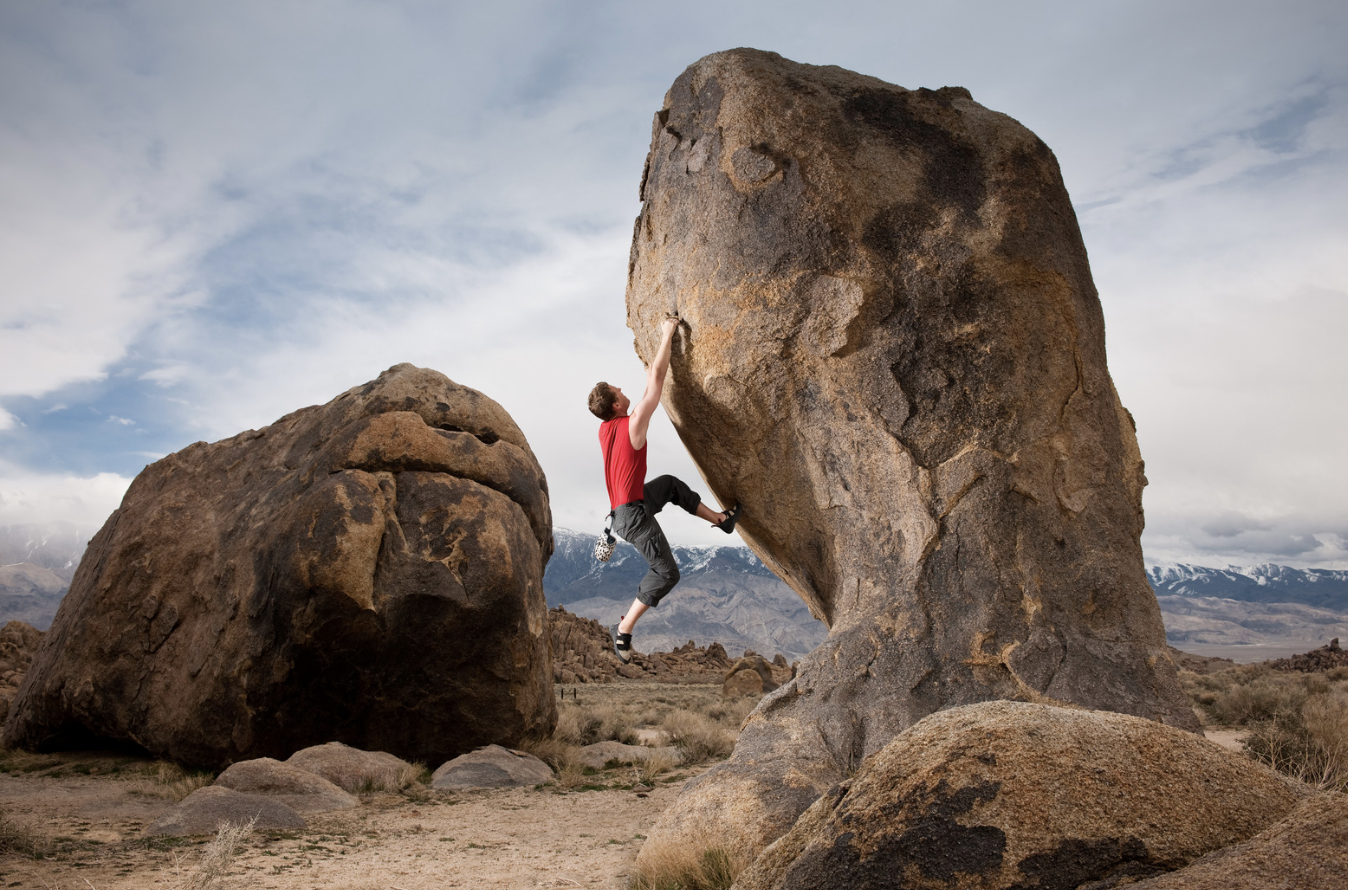
By inserting acupuncture needles directly near the affected tendons or into surrounding hypertonic muscle tissue, we can induce a local micro-trauma response — alerting the nervous system to send fresh, oxygenated blood and essential healing factors to the exact site of injury. Whether you are recovering from an acute pulley pop while projecting a route in Boulder Canyon or managing a chronic aching shoulder from weekly sessions at the gym, acupuncture helps shift these tissues from a state of stagnant degeneration into an active phase of recovery.
How Does Jade Mountain Health's Approach to Climber Recovery Differ From Physical Therapy Alone?
Our approach at Jade Mountain Health differs from traditional physical therapy by directly altering tissue tension and systemic blood flow through a combination of biomedical dry needling and Classical Chinese Medicine, rather than focusing solely on biomechanical strengthening exercises. While physical therapy is excellent for correcting movement patterns and rebuilding long-term structural stability, acupuncture acts as a catalyst that prepares injured tissue to handle that therapeutic workload more comfortably.
Andrew C. Maloney, L.Ac., and our clinical team work through both a modern anatomical lens and a traditional channel perspective — addressing the local injury alongside the broader structural imbalances that contribute to it. When you experience chronic elbow pain, for example, the issue rarely stops at the joint. The entire Sinew Channel — a classical TCM concept describing interconnected pathways of muscle and fascia — is often bound up from the neck down to the fingertips.
To release this tension, we integrate several complementary modalities within a single session:
Orthopedic acupuncture and dry needling to release myofascial trigger points in the forearms and shoulders.
Cupping therapy to lift the fascial layers, improve local circulation, and clear cellular waste from tight muscle groups.
Moxibustion to deliver warming heat therapy that supports blood flow in cold, stubborn ligament injuries.
Chinese herbal medicine tailored to reduce systemic inflammation and support tissue regeneration from the inside out.
By combining these methods, we work to down-regulate an overactive nervous system and restore proper resting length to contracted muscles — reducing the mechanical stress on injured tendons. When paired with targeted physical therapy exercises, this approach can make your rehabilitation meaningfully more efficient and help you return to the crag with greater resilience.
How Fast Can a Climber Expect to See Results, and Do I Need to Stop Climbing Completely?
Most climbers notice meaningful improvements in pain levels and tissue mobility within three to five sessions, and complete rest is rarely necessary unless you are managing a severe acute tendon rupture. Research suggests that active recovery tends to outperform full immobilization for soft tissue healing, provided training load is carefully managed below the threshold of pain.
We understand that telling a Boulder athlete to stay off the rock entirely is often both unrealistic and counterproductive. Our goal is to keep you moving safely while your body repairs itself.
During your initial evaluation, we assess injury severity to determine how much load your tissues can currently tolerate. We will guide you on how to modify your climbing — such as shifting from crimpy sport routes to open-handed movement, or reducing your weekly volume — while we work on the tissues in the clinic. Acupuncture helps sustain the local healing response between sessions, so you are not starting from zero each time you come in.
In the early phase of care, treatment focuses on pain reduction and restoring range of motion. As tissue integrity improves, sessions shift toward building resilience and addressing the patterns that contributed to the injury in the first place. By staying in close communication about your training and listening to how your body responds on the wall, we fine-tune the plan to match your specific goals.
If you are ready to explore what acupuncture can do for your climbing injuries, the team at Jade Mountain Health would love to hear from you. Call us at (303) 859-3125 or schedule your initial evaluation at jademtnhealth.com.
-
Acupuncture and dry needling are well-suited for finger pulley injuries, including partial A2 and A4 pulley strains — not just muscular problems. Because pulley tissue has a poor blood supply, it heals slowly on its own. Targeted needling near the injury site stimulates a local healing response, drawing circulation and repair factors into tissue that would otherwise remain in a state of chronic, low-grade degeneration. Many climbers find this meaningfully shortens their recovery compared to rest alone.
-
Dry needling and acupuncture use the same filiform needles, but they differ in their theoretical framework. Dry needling is a biomedical approach that targets myofascial trigger points based on anatomy and pain referral patterns. Traditional acupuncture works along classical channel pathways and addresses the body's broader functional balance. At Jade Mountain Health, Andrew Maloney and our team integrate both approaches within a single session, choosing techniques based on what your injury and your body call for — rather than applying a one-size-fits-all protocol.
-
In most cases, yes — though it depends on where you are in your recovery and what the session involves. Light to moderate needling and cupping are generally well-tolerated on training days. Deep trigger point work or aggressive dry needling may leave tissue temporarily fatigued, in which case we may recommend spacing your session and your climbing by a day. We assess this individually at each visit and will always give you a clear recommendation based on your current tissue state and training load.