
When you’re deciding how to treat ongoing health concerns, it’s common to weigh Chinese herbal medicine, acupuncture, and conventional Western care. Each system is built on a different philosophy, uses different diagnostic tools, and excels in different situations. Understanding how they compare—and how they can work together—helps you make safer, more effective choices for your health.
This guide explains how Traditional Chinese Medicine (TCM) and Western medicine approach diagnosis and treatment, where Chinese herbal medicine is most helpful, when conventional care is essential, and how an integrative approach can offer the best of both worlds for patients in Boulder and the Front Range.
What Is Traditional Chinese Medicine?
Traditional Chinese Medicine is a holistic medical system focused on restoring balance in the body rather than targeting isolated symptoms. Health is viewed as a dynamic process influenced by circulation, metabolism, stress, lifestyle, and environmental factors.
TCM uses core concepts such as Qi, Yin and Yang, and the Five Elements to describe how imbalances develop and how they affect organ systems. These concepts guide diagnosis and treatment, helping practitioners understand patterns that connect symptoms across multiple systems rather than viewing them in isolation.
In practice, this means care is highly individualized. Two people with the same Western diagnosis may receive very different treatments based on their constitution, lifestyle, and symptom patterns.
How Chinese Herbal Medicine Supports Whole-Person Health
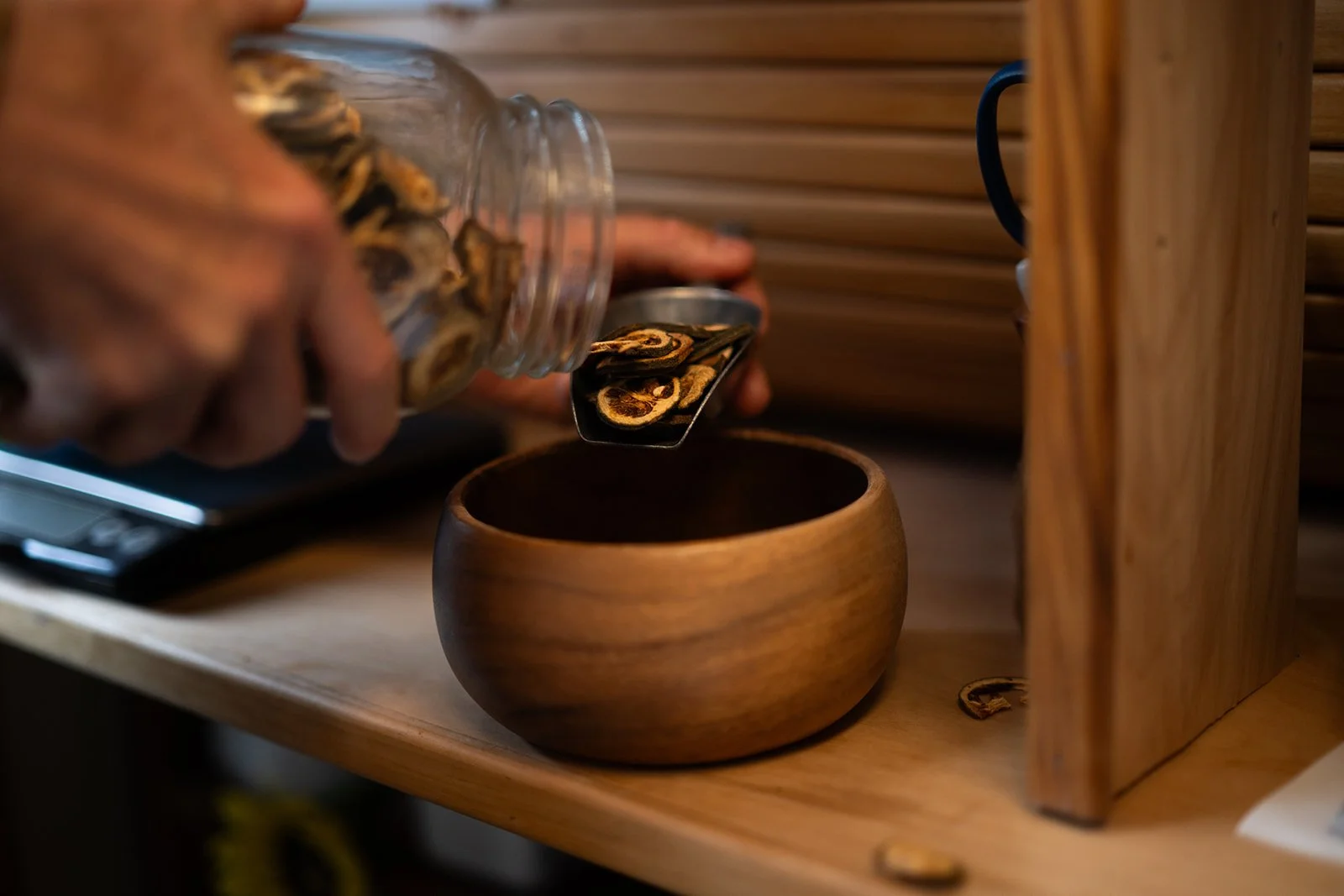
Chinese herbal medicine uses customized formulas made from multiple herbs, each selected for a specific role. Rather than suppressing symptoms, formulas are designed to regulate systems such as digestion, circulation, immune function, and stress response.
Herbal treatment timelines vary. Acute issues may improve within days, while chronic or functional conditions often require weeks or months of consistent care with periodic adjustments. Because herbs act systemically, practitioner oversight is essential—especially when herbs are combined with medications or other therapies.
When prescribed correctly, Chinese herbal medicine can support long-term resilience, reduce symptom recurrence, and complement other treatments like acupuncture or physical therapy.
What Role Does Acupuncture Play?
Acupuncture works by stimulating the nervous system and local tissues to reduce pain, regulate inflammation, and improve circulation. It is commonly used alongside herbal medicine, with acupuncture addressing symptoms and nervous system regulation while herbs provide ongoing systemic support.
Many people experience relief within a few sessions for acute problems. Chronic or complex conditions typically respond best to a structured treatment plan over several weeks, often with adjunct therapies such as cupping or moxibustion.
Together, acupuncture and herbal medicine create a synergistic approach that treats both symptoms and underlying patterns.
How TCM and Western Medicine Differ
Western medicine and TCM approach health from different angles. Western medicine focuses on identifying specific diseases using lab tests and imaging, then treating them with targeted interventions such as medications or surgery. This makes it essential for emergencies, infections, trauma, and structural problems.
TCM focuses on functional patterns and systemic regulation. It is especially useful for chronic, stress-related, or multisystem conditions where symptoms persist despite normal test results.
Rather than competing systems, these approaches often work best together. Western diagnostics can rule out serious pathology and guide safety, while TCM addresses ongoing imbalance and recovery.
Benefits and Limitations of Chinese Herbal Medicine
Chinese herbal medicine offers several advantages:
Personalized, system-wide regulation
Support for chronic and functional conditions
Potential reduction in long-term medication reliance under supervision
It also has limitations:
Slower onset for chronic conditions
Variable evidence depending on formula and condition
Requires careful monitoring for herb–drug interactions
Because of these factors, herbal medicine is most effective when prescribed by a licensed practitioner who can coordinate care and monitor progress.
Safety and Integration With Conventional Care
Chinese herbal medicine can be used safely when practitioners screen for medication interactions, source high-quality herbs, and monitor organ function when appropriate. Integration works best when patients disclose all medications and providers communicate clearly.
In many cases, Western medicine manages acute or structural issues while herbal medicine and acupuncture address chronic symptoms, stress physiology, and recovery. This coordinated approach often improves outcomes while minimizing side effects.
Acupuncture and Holistic Care in Boulder
In Boulder’s active community, acupuncture is frequently used for musculoskeletal pain, sports injuries, headaches, and stress-related conditions. Combining acupuncture with TCM diagnostics and adjunct therapies allows treatment plans to adapt to both lifestyle demands and long-term health goals.
Local integrative clinics emphasize continuity of care, personalized pacing, and collaboration with other providers—making acupuncture a practical option for non-pharmaceutical pain management and wellness support.
How to Choose the Right Path
Choosing between Western care, Chinese herbal medicine, or an integrative approach depends on several factors:
Urgency: Acute or life-threatening issues require Western medical care.
Chronicity: Longstanding or functional issues often respond well to TCM.
Complexity: Many people benefit most from combining both systems safely.
An integrative approach allows targeted medical treatment when needed while addressing underlying patterns that influence long-term health.
Personalized Integrative Care at Jade Mountain Health
At Jade Mountain Health, treatment plans are built using detailed intake, TCM diagnostics, and careful safety screening. Acupuncture and Chinese herbal medicine are tailored to each patient’s presentation, goals, and medical history, with ongoing adjustments based on response.
For patients interested in a balanced, evidence-aware approach to care, an initial consultation provides a clear framework for choosing the most appropriate path forward.