
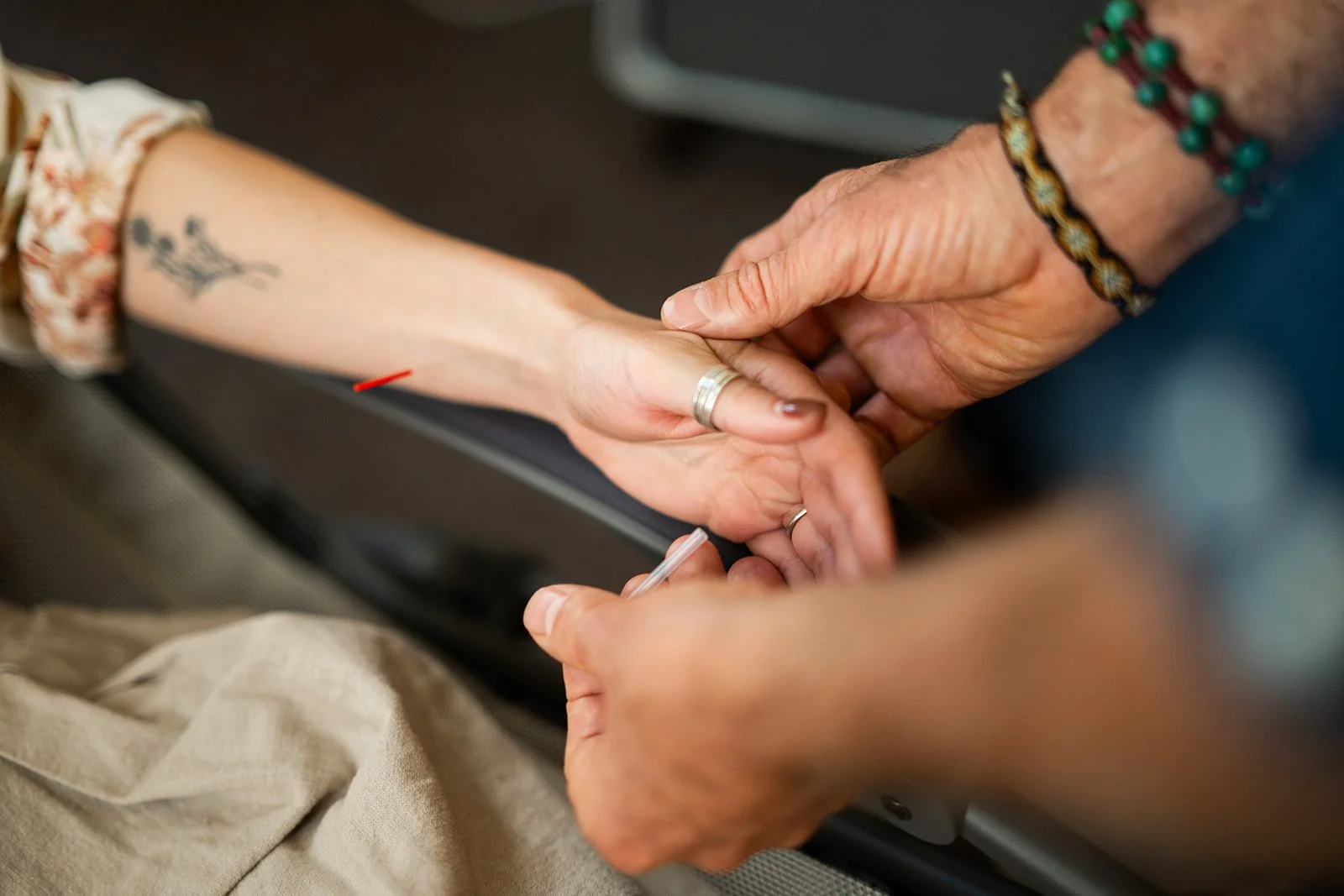
Natural, effective pain care in Boulder
Chronic pain affects far more than the body — it disrupts sleep, limits movement, and impacts mood and quality of life. Many people in Boulder are seeking safe, sustainable alternatives to long-term medication or invasive procedures. Acupuncture offers a well-established, evidence-informed option that blends Traditional Chinese Medicine (TCM) with modern neurophysiology to reduce pain, restore function, and support long-term healing.
This guide explains how acupuncture works for chronic pain, which conditions respond best, how complementary therapies enhance results, and what realistic timelines look like when care is done consistently and thoughtfully.
What Is Acupuncture and How Does It Reduce Chronic Pain?
Acupuncture uses ultra-thin, sterile needles placed at specific points to influence local tissues, peripheral nerves, and systemic physiology. From a biomedical perspective, needling stimulates sensory nerves that signal the brain and spinal cord to release endorphins and other neurotransmitters that naturally reduce pain. It also improves circulation, decreases muscle tension, and helps regulate inflammation by lowering pro-inflammatory cytokines.
From a TCM perspective, pain reflects disrupted circulation of Qi and blood along meridian pathways. Acupuncture restores smooth flow, addressing both symptoms and underlying imbalances. These two frameworks work together — individualized point selection supports measurable reductions in pain while improving overall resilience and function.
Core TCM Principles in Chronic Pain Care
Traditional Chinese Medicine views pain as either stagnation (blockage) or deficiency (lack of nourishment). Practitioners determine the pattern using pulse and tongue assessment alongside a detailed health history. Treatment strategies may focus on dispersing stagnation, warming cold patterns, clearing inflammation, or strengthening weakened systems.
For example, chronic low-back pain that worsens with cold weather often responds well to acupuncture combined with warming therapies like moxibustion. This pattern-based approach allows care to be tailored rather than one-size-fits-all — a key reason acupuncture is effective for long-standing pain.
How Acupuncture Influences Endorphins, Inflammation, and the Nervous System
Acupuncture activates the body’s natural pain-relief mechanisms. Needling prompts the release of endogenous opioids such as endorphins and enkephalins, which dampen pain signaling. At the same time, acupuncture can reduce inflammatory mediators and improve local microcirculation, supporting tissue repair.
Equally important, acupuncture shifts the nervous system toward parasympathetic (rest-and-repair) dominance. This helps reduce stress-driven muscle tension and nervous system sensitization, which often perpetuate chronic pain. Over a series of treatments, these effects tend to build, leading to steadier pain reduction and improved mobility.
Chronic Pain Conditions Commonly Treated With Acupuncture
In Boulder, acupuncture is frequently used for chronic low-back pain, sciatica, neck and shoulder pain, osteoarthritis, migraines, tension headaches, myofascial pain, and some neuropathic pain conditions. Treatment methods may include gentle meridian-based needling, dry needling for trigger points, scalp acupuncture, or electro-stimulation depending on the presentation.
Access to integrative care locally allows these modalities to be combined strategically, often producing better outcomes than a single approach alone.
How Acupuncture Helps Back Pain, Sciatica, Arthritis, and Migraines
For back pain and sciatica, acupuncture targets muscle spasm, nerve irritation, and restricted circulation using a mix of local and distal points. Cupping and dry needling are often added to improve tissue mobility and reduce compression around affected nerves.
In arthritis, acupuncture helps reduce joint pain and stiffness while improving tolerance for daily movement. For migraines, specific point combinations and scalp acupuncture can decrease both frequency and intensity, sometimes reducing reliance on rescue medications. These condition-specific strategies explain why acupuncture works best as a personalized course of care rather than a single visit.
Complementary Therapies That Enhance Pain Relief
Acupuncture is often most effective when paired with other Chinese medicine therapies. Chinese herbal medicine provides systemic anti-inflammatory and regulatory support. Cupping increases local circulation and releases myofascial tension. Moxibustion adds therapeutic warmth for cold or stiff conditions. Tui Na bodywork, electro-stimulation, and dry needling further enhance neuromuscular recovery.
These therapies are selected based on diagnosis, comfort level, and treatment goals, allowing care to adapt as pain patterns change.
What to Expect During Acupuncture Treatment for Chronic Pain
A typical visit begins with a detailed intake and assessment, followed by a tailored treatment that may include needles alone or combined with adjunct therapies. Sessions usually last 45–75 minutes. Sensations vary but commonly include warmth, heaviness, tingling, or deep relaxation.
Most chronic pain patients are advised to try a short course of care — often 6–8 sessions over several weeks — to evaluate responsiveness. Many notice early improvements within the first few visits, with more durable gains developing over time.
Can Acupuncture Reduce Reliance on Pain Medication?
Yes. By lowering pain intensity and improving function, acupuncture can make it easier for patients and prescribing providers to safely reduce medication use. This process should always be supervised medically, but acupuncture often plays a key role in medication-sparing strategies for chronic pain conditions.
Why Choose Jade Mountain Health for Acupuncture in Boulder?
Jade Mountain Health is a Boulder-based clinic specializing in personalized, integrative pain care. Treatments combine acupuncture, Chinese herbal medicine, cupping, moxibustion, Tui Na, dry needling, scalp acupuncture, and electro-stimulation. Care is guided by lineage-based TCM diagnostics and modern neuromuscular techniques, with progress tracked using functional goals and symptom changes.
Founder Andrew Maloney, LAc, MSOM, is a licensed and board-certified acupuncturist trained in Taiwanese and Japanese lineages. His approach blends traditional diagnostic precision with contemporary pain science to create adaptable, results-oriented plans for chronic pain.
Next Steps
If you’re exploring acupuncture for chronic pain, scheduling an initial assessment allows for a thorough evaluation and a personalized plan. Bringing a list of current medications helps ensure care can be coordinated safely with your medical providers