
Meridian Therapy in Boulder: How This Acupuncture Approach Addresses Stress and Emotional Health
What Is Meridian Therapy? Boulder's Guide to Whole-Body Acupuncture for Stress and Emotional Balance
Meridian therapy is one of the oldest approaches within the acupuncture tradition — and one of the most misunderstood. Unlike point-specific acupuncture, which targets a particular area of pain or dysfunction, meridian therapy looks at the body's entire channel map, using diagnostic signals like pulse patterns and tongue presentation to identify which meridian systems are out of balance. At Jade Mountain Health in Boulder, Andrew Maloney integrates Taiwanese and Japanese meridian traditions to treat not just where symptoms show up, but why they're showing up — making it particularly effective for stress, anxiety, emotional dysregulation, and whole-body fatigue.
For many people in Boulder, Colorado, stress does not show up as a single symptom. It appears as disrupted sleep, tight shoulders, digestive changes, irritability, shallow breathing, or a nervous system that never fully settles down. Meridian therapy is designed to address those interconnected patterns rather than isolating one complaint at a time — and it is especially useful for patients who feel like they have tried everything yet still feel chronically tense, depleted, or emotionally off balance.
How Does Meridian Therapy Differ From Standard Acupuncture — and When Is It the Better Choice?
Meridian therapy differs from standard acupuncture because it focuses on balancing entire channel systems rather than treating isolated symptoms or painful areas. It is often the better choice when stress, emotional health, fatigue, digestion, sleep, and physical tension are all connected and influencing each other.
In many modern acupuncture settings, treatment is built around symptom relief — needles near the shoulder for neck pain, a headache protocol for migraines. That approach can be effective, particularly for acute orthopedic issues. Meridian therapy takes a broader view. Practitioners assess how Qi and Blood move through the body's channel system and how those patterns relate to the patient's overall constitution. Diagnosis relies on pulse quality, abdominal palpation, tongue presentation, and symptom patterns that may appear unrelated at first.
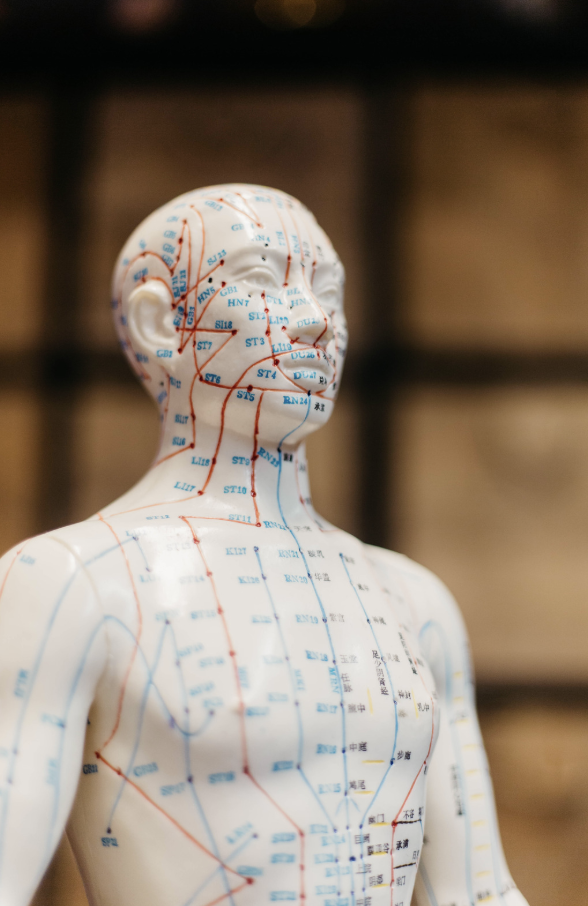
A Boulder patient dealing with anxiety and insomnia may also experience digestive bloating, cold hands, menstrual irregularity, or chronic muscle tightness. In meridian therapy, those symptoms may point toward a single underlying imbalance rather than separate conditions requiring separate treatments.
This style of acupuncture also tends to be gentler. Japanese meridian traditions typically use thinner needles and subtler stimulation techniques, and many patients are surprised by how calming treatments feel. At Jade Mountain Health, Andrew Maloney combines these classical diagnostic methods with modern clinical reasoning to create treatments that are highly individualized. This approach is particularly well-suited for chronic stress and nervous system dysregulation, anxiety with physical symptoms, burnout and persistent fatigue, stress-related digestive issues, sleep disturbances, and chronic muscle tension without a clear structural cause.
Research on acupuncture suggests it may help regulate autonomic nervous system activity, reduce stress-related inflammation, and influence neurotransmitter signaling involved in mood and pain perception. Meridian therapy applies those principles through a whole-system lens rather than a symptom-only approach.
What Emotional and Physical Conditions Does Meridian Therapy Address at Jade Mountain Health?
Meridian therapy is used at Jade Mountain Health to support patients dealing with stress-related physical symptoms, emotional imbalance, chronic fatigue, anxiety, and tension patterns that affect daily life. The goal is not symptom suppression, but helping the body regulate more effectively over time.
In Traditional Chinese Medicine, emotional and physical health are not separate systems. Stress affects sleep, digestion, circulation, muscle tone, and immune resilience. Chronic pain or exhaustion, in turn, affects emotional stability. Meridian therapy works by identifying which channel systems are underactive, overactive, deficient, or constrained.
At our Boulder clinic in Wonderland Hills, we commonly see patients experiencing anxiety with chest tightness or shallow breathing, stress headaches and jaw tension, digestive symptoms that worsen under emotional strain, emotional exhaustion after prolonged work stress, difficulty recovering from intense training cycles, insomnia with racing thoughts, and hormonal symptoms influenced by stress.
From a TCM perspective, these patterns may involve Liver Qi stagnation — where the Liver's role in maintaining the smooth flow of Qi and emotions becomes disrupted — Heart Blood deficiency affecting the mind and Shen, or Spleen Qi deficiency undermining digestion and the transformation of nutrients into Qi and Blood. These are not metaphors. They describe specific diagnostic relationships observed through pulse findings, symptom presentation, sleep patterns, digestion, and other clinical markers.
Treatment may include acupuncture, moxibustion, cupping therapy, or a customized Chinese herbal medicine formula depending on the patient's presentation. Someone with coldness, fatigue, and low resilience may benefit from warming moxibustion, while a patient presenting with tension and irritability may respond better to techniques that promote smoother Qi movement.
For active patients in Boulder, Colorado, this approach can also help address the overlap between physical overtraining and emotional depletion. Trail runners, cyclists, and climbers often push their recovery capacity without recognizing how closely the nervous system and musculoskeletal system interact. Meridian therapy supports physical recovery while helping patients feel more grounded and physiologically resilient.
Why Do Stress and Emotional Symptoms So Often Show Up as Physical Pain?
Stress and emotional strain frequently manifest as physical symptoms because the nervous system, muscular system, digestion, sleep regulation, and hormonal signaling are deeply interconnected. Meridian therapy recognizes these relationships and treats them as part of a single pattern rather than isolated problems.
Many patients arrive focused on a physical complaint — neck tension, migraines, digestive discomfort, fatigue — without initially connecting it to the stress load they are carrying. From a biomedical perspective, chronic stress increases sympathetic nervous system activity over time, contributing to elevated muscle tension, disrupted sleep, shallow breathing, digestive changes, heightened pain sensitivity, and slower recovery after exertion.
Traditional Chinese Medicine describes this process differently but arrives at similar clinical observations. When Qi becomes constrained within the Liver channel system, the body loses its capacity for smooth movement and recovery. Patients may feel emotionally reactive, physically tense, mentally overstimulated, or unusually exhausted.
At Jade Mountain Health in North Boulder, treatments are designed to interrupt those cycles gently and consistently. Patients often feel calmer after a session, but the goal is deeper than temporary relaxation. Over a course of care, we look for measurable changes in sleep quality, digestion, emotional steadiness, pain levels, and recovery capacity. This matters particularly in a place like Boulder, where many people maintain demanding physical routines alongside high workloads. The body can compensate for chronic stress for a long time — until it cannot. Meridian therapy offers a framework for recognizing those patterns earlier and supporting the body before depletion becomes more entrenched.
If you are exploring acupuncture for stress, anxiety, fatigue, or emotional balance, the team at Jade Mountain Health offers an individualized approach grounded in classical Traditional Chinese Medicine. Whether you are recovering from burnout, managing chronic stress, or simply feeling physically and emotionally out of sync, we work to understand the larger pattern behind your symptoms. Call us at (303) 859-3125 or schedule directly at jademtnhealth.com.
Frequently Asked Questions About Meridian Therapy
-
It uses the same needles, but the approach is different. Standard acupuncture often targets specific symptoms or painful areas. Meridian therapy assesses the body's entire channel system to identify the root pattern — making it particularly suited for cases where stress, fatigue, digestion, sleep, and emotional health are all connected.
-
Most patients notice meaningful changes in sleep, tension levels, or emotional steadiness within four to six sessions. Stress and anxiety patterns that have built up over months or years take longer to fully resolve, but the shift often begins earlier than patients expect.
-
Yes. Meridian therapy works well alongside psychotherapy, psychiatric medication, and other wellness practices. At your initial consultation, Andrew Maloney will review your full health picture — including any medications or supplements — to ensure your acupuncture treatment is appropriately tailored.