
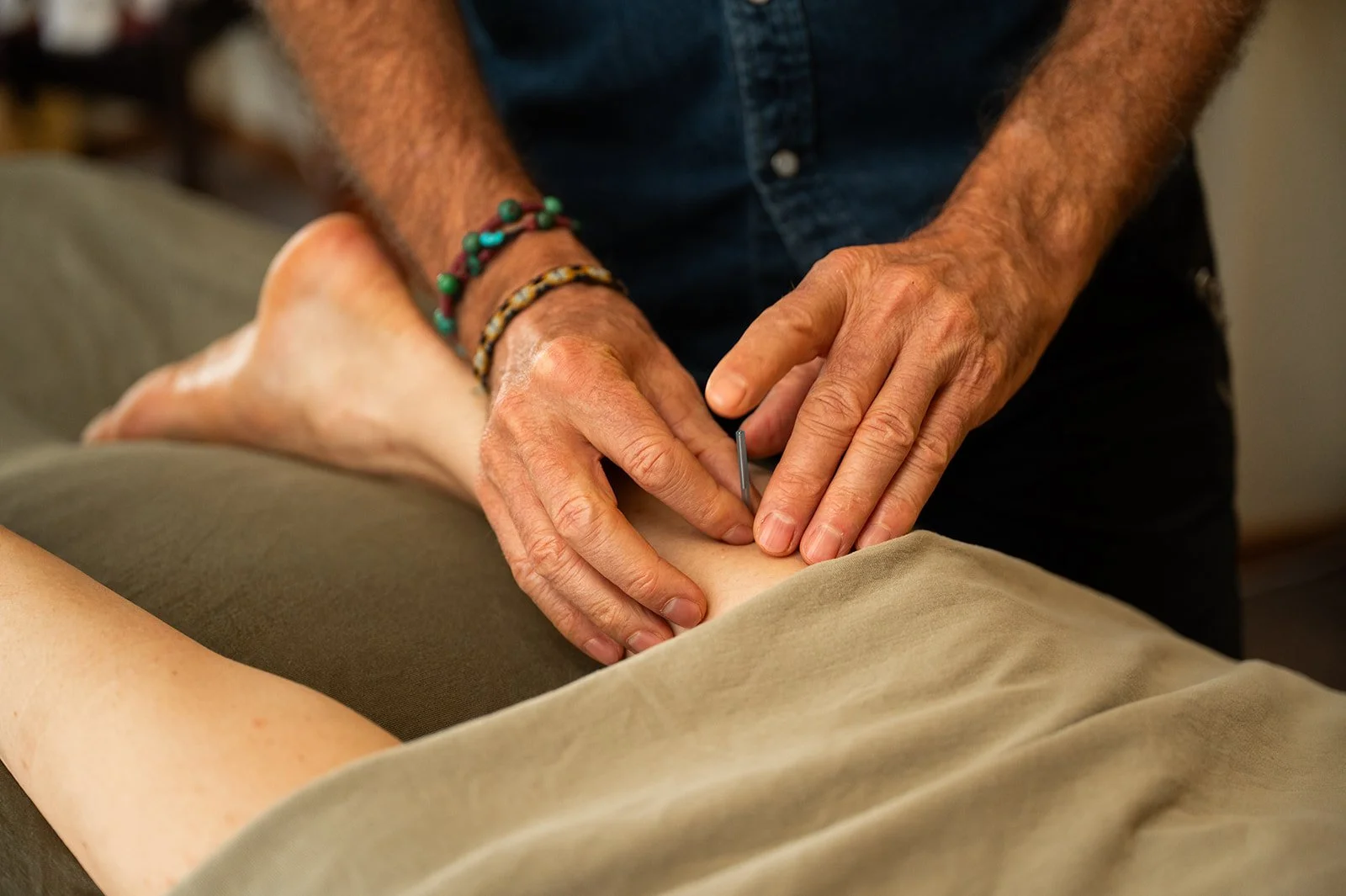
Acupuncture is a foundational therapy within Traditional Chinese Medicine (TCM) that uses targeted stimulation of acupoints to influence the body’s regulatory systems. This guide compares acupuncture with conventional Western medical approaches to help Boulder residents understand holistic options for pain, stress, women’s health, and sports recovery.
Many people in Boulder manage chronic pain, anxiety, hormonal concerns, or injuries while wanting to avoid medication side effects or invasive procedures. Below, we outline how acupuncture differs philosophically and clinically from Western medicine, when combining both approaches makes sense, and what whole-person care looks like in practice at a local clinic like Jade Mountain Health.
Many people in Boulder manage chronic pain, anxiety, hormonal concerns, or injuries while wanting to avoid medication side effects or invasive procedures. Below, we outline how acupuncture differs philosophically and clinically from Western medicine, when combining both approaches makes sense, and what whole-person care looks like in practice at a local clinic like Jade Mountain Health.
Key Differences Between Acupuncture and Western Medicine
The primary differences lie in philosophy, diagnostics, and treatment goals. Acupuncture focuses on restoring balance through TCM pattern diagnosis and point-based therapies, while Western medicine targets specific diseases or structures to control symptoms efficiently. Acupuncture often addresses underlying contributors that drive recurring issues, whereas conventional care relies on standardized tests and protocols.
Safety profiles also differ. When performed by licensed clinicians, acupuncture’s side effects are typically mild and local, while medications and procedures may carry systemic risks or dependency potential. Understanding these differences helps patients decide whether to choose one approach, combine them, or use them sequentially.
Root-Cause Care vs. Symptom Suppression
Acupuncture treats pain and dysfunction by identifying TCM patterns such as Qi stagnation, blood stasis, or deficiency and correcting them with needling, herbs, and adjunct therapies. This approach aims to resolve the interconnected systems behind symptoms rather than suppressing them in isolation.
Physiologically, acupuncture has measurable effects: modulation of pain pathways, endorphin release, autonomic nervous-system regulation, and improved circulation. Used alongside biomedical diagnostics, this pattern-based care can address contributors that allow symptoms to persist or recur.
Core TCM Principles Used in Acupuncture
TCM is guided by concepts such as Qi, meridians, and Yin–Yang balance. Acupuncturists select points to restore flow and organ function and may combine needling with cupping, moxibustion, Tui Na bodywork, and Chinese herbal medicine. Modern research links these concepts to nervous-system regulation, immune modulation, and microcirculatory effects.
In Boulder, clinicians also adapt treatment plans to local factors such as altitude, climate, and highly active lifestyles to improve outcomes.
Acupuncture for Pain Management in Boulder
Acupuncture reduces pain by calming overactive pain signaling, increasing endogenous analgesia, and lowering inflammation. Many patients experience improved function and reduced reliance on systemic pain medications when acupuncture is part of a broader care plan.
Compared with NSAIDs, opioids, or steroid injections, acupuncture offers a low systemic-risk option that integrates well with physical therapy and rehabilitation. Techniques such as electroacupuncture and scalp acupuncture expand options for more complex or persistent pain.
Pain Conditions That Commonly Respond Well
Acupuncture is commonly used for chronic low-back pain, osteoarthritis, neck and shoulder pain, migraines, tension headaches, and some neuropathic pain presentations. Research consistently supports its use for chronic musculoskeletal pain, particularly when combined with movement-based rehab and lifestyle changes.
Reducing Reliance on Pain Medications
By lowering pain intensity, improving mobility, and addressing factors like muscle tension and autonomic imbalance, acupuncture can help patients taper pain medications under medical supervision. Studies show acupuncture can have opioid-sparing effects when used as part of a multimodal pain-management plan.
Acupuncture for Anxiety and Stress Relief
Acupuncture supports stress and anxiety relief by regulating neurotransmitters, improving vagal tone, and activating the parasympathetic nervous system. Many patients report immediate relaxation during sessions and cumulative improvements over several weeks.
For mild to moderate anxiety, acupuncture may be used on its own; for more severe cases, it often complements psychotherapy and medication. Its low dependence risk makes it appealing to people seeking non-sedating options.
Neuroacupuncture and Nervous-System Regulation
Neuroacupuncture uses specific cranial and somatic points to influence serotonin, GABA, endorphins, and the stress response. Research suggests acupuncture can improve heart-rate variability and autonomic balance, correlating with reduced anxiety and better stress resilience. Auricular acupuncture, in particular, appears to influence vagal pathways linked to relaxation.
Women’s Health: Acupuncture vs. Conventional Care
Acupuncture supports women’s health by improving pelvic blood flow, regulating neuroendocrine function, and calming stress-related hormonal disruption. It is commonly used for menstrual pain, PMS, fertility support, and some menopausal symptoms.
When combined with individualized Chinese herbal medicine, acupuncture addresses pattern-specific contributors such as blood deficiency or liver Qi stagnation. For complex or high-risk cases, care is best coordinated with an OB/GYN to ensure safety and alignment with conventional treatment.
Hormonal Balance, Fertility, and Menstrual Health
Acupuncture may influence the hypothalamic-pituitary-ovarian axis, support ovulation, and reduce menstrual pain by improving circulation and neuromodulation. Treatment plans are often timed to menstrual or fertility cycles and paired with lifestyle guidance. Many patients use acupuncture alongside assisted reproductive technologies as part of an integrative approach.
Acupuncture for Sports Injury Recovery
Acupuncture aids sports injury recovery by reducing inflammation, improving microcirculation, and modulating neuromuscular tone—supporting tissue repair and faster return to activity. By lowering pain without systemic medication side effects, it can help athletes participate more fully in rehabilitation.
Care plans often differ for acute versus chronic injuries, with more frequent early treatments that taper as strength and function return.
Integrating Acupuncture and Western Sports Medicine
Integrative care combines imaging, physical therapy, and medical oversight with acupuncture to optimize recovery. Acute injuries are assessed for stability and safety first, while acupuncture is added to support pain control and tissue healing. Coordination among providers helps ensure appropriate loading, safe return-to-play decisions, and consistent goals.
Why Choose Jade Mountain Health for Acupuncture in Boulder?
Jade Mountain Health blends classical TCM with modern neuroscience and advanced acupuncture techniques. Founder and lead practitioner Andrew Maloney is a licensed, board-certified acupuncturist and Chinese herbalist trained in Taiwanese and Japanese lineages.
The clinic offers electroacupuncture, scalp acupuncture, cupping, moxibustion, Tui Na, and customized herbal formulas adapted to Boulder’s climate and active lifestyles. Care emphasizes precision, safety, and collaboration with other healthcare providers.
Personalized Care and Better Outcomes
Treatment at Jade Mountain Health begins with a thorough intake and TCM pattern diagnosis, followed by an individualized plan that evolves with your progress. Ongoing reassessment allows clinicians to refine techniques and formulas to maximize benefit while avoiding unnecessary interventions.
For Boulder residents seeking evidence-informed alternatives—or complements—to conventional medicine, this whole-person approach offers a practical path to improved function, resilience, and long-term health.